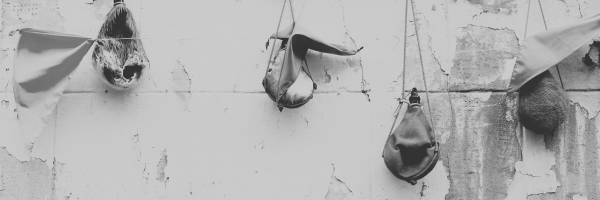
And no one puts new wine into old wineskins. If he does, the wine will burst the skins—and the wine is destroyed, and so are the skins. But new wine is for fresh wineskins.
Mark 2:22
Too often the depth of the cultural and historical significance of scriptural references is lost on contemporary readers. Wine comes in bottles, boxes and cans, available pretty widely and starts at pretty affordable rates. So some spilt wine at best is deeply frustrating and its worst is expensive but not in a special or super significant way.
In ancient times, winemaking brought together economies: viticulture/viniculture and leatherwork. Both of them labour-heavy, both of them slow, and both of them at least for the average household, capital that a family couldn’t easily replace.
The Viniculture Perspective:
Vineyards were owned by the royals, the rich and then by regular families too. A small number of elite families would often own large plots of land, hiring locals to work and look after the vineyards. Royalty was on the extreme end, often owning multiple vineyards and wine stores. But if families had a small plot of land, they could and often did grow vines for personal wine, separate from the large commercial estates
From planting to first harvest, it takes about 3-4 years. It also requires pruning and harvest with a degree of precision, while hoping that the weather would work in your favour, producing a good, bountiful harvest. Harvest was labour intensive and for many families meant all hands on deck; extended family, neighbours and if possible, hired help. Work for many was scarce, so affording to hire help ate into margins, leaving little room for error.
On the leatherworking side:
Tanners (bursi), those who processed hide in Jewish culture, would be considered despised in Jewish society. They handled unclean carcasses, and the trade smelled bad enough that it carried real social stigma. The Mishnah required tanneries be positioned on the east side of town, at least 50 cubits outside the town limits, specifically because the process was so foul-smelling. Moreover, this work was not likely part of a farming family’s business. Goat, sheep, and cattle hides were byproducts of the meat and dairy industry, not animals raised primarily to become leather. The value was in the milk and meat.
On wine:
Wine was considered a daily staple, and not by any means a luxury in the ways we might view wine today. Wine was the necessary component of any decent feast, and children drank it as an ordinary daily beverage. In Lamentations 2:12 we see children asking their mothers “where is our bread and wine?”, as basic provisions, not treats. Ordinary wine was frequently diluted with water, which both reduced its strength and stretched the supply further; daily-use wine was not meant to be a rare indulgence. For context, a wineskin for a household would likely hold 9-15 litres of wine.
So, what does this mean?
- Wine itself was a daily source of clean accessible hydration, while also representing joy and economic livelihood. Integral to life and community.
- The process of making wine, was labourous and time consuming. As such losing wine was costly and represented significant economic stakes. With a household skin holding 9-15 litres, a burst wineskin represented the loss of valuable hard-earned resources, and depending on the season and economic conditions, possible catastrophic waste.
- The context of the scripture speaks to not attempting to hold this new testament: the gospel and message of grace in the rigidity of legalism.
- The cost of not doing so and the bursting of a wineskin is akin to wasting the rich, merciful gift of the finished work of the cross.
- To not lean into the stretching and the remantling is to waste the season of pruning, refining and healing God has brought us through; the time, energy and obedience of prior seasons. A renewed yes, and a continued bend towards obedience keeps us soft, pliable and ready for use as God wills.
To quote Isaiah:
“Remember not the former things, nor consider the things of old.
Behold, I am doing a new thing; now it springs forth, do you not perceive it?